Website developed and maintained by Elia William Mariki (dawillygene), a systems software engineer based in Dodoma, Tanzania.
Engineering Standards

How software quality, security, testing, and delivery discipline are approached

This page makes the engineering standards explicit so recruiters, clients, and collaborators can see the quality bar behind the products.

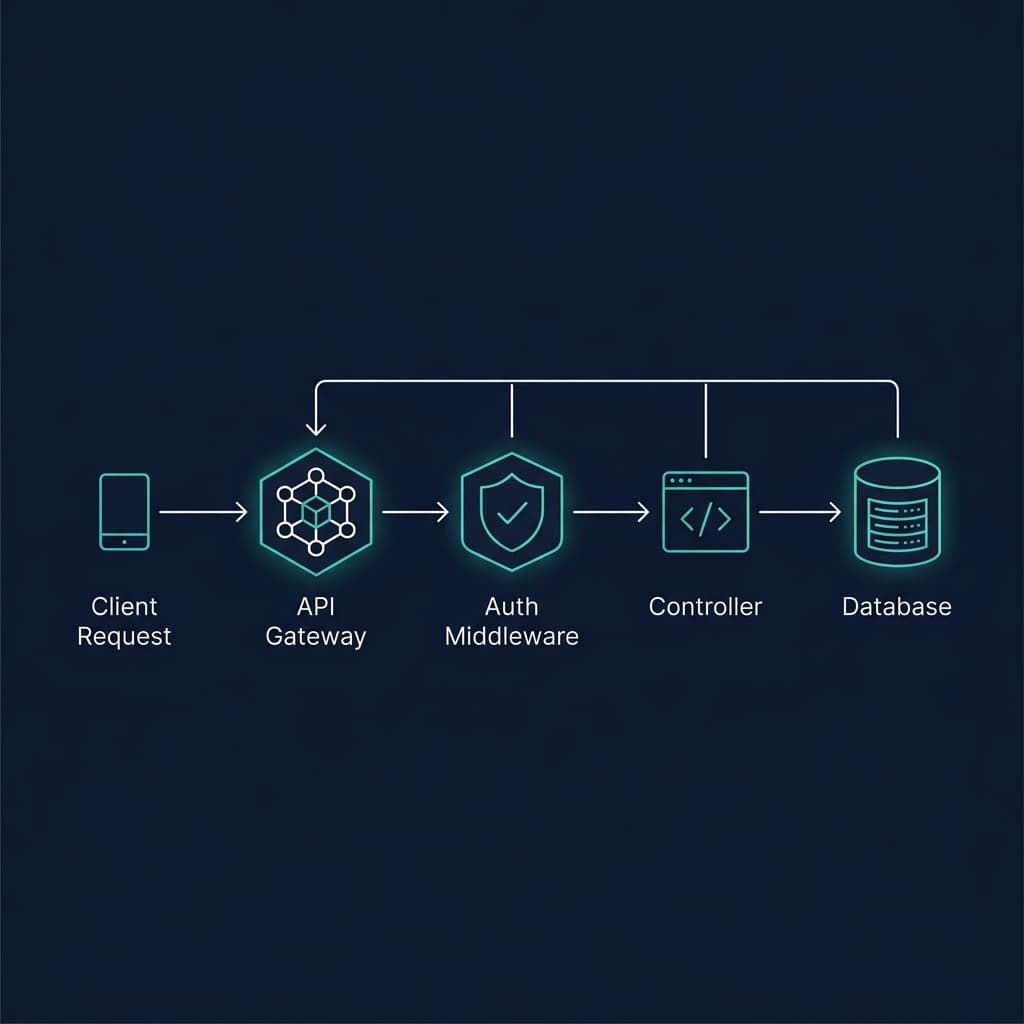
API Design Standards diagram

API Design Standards

  • Consistent resource naming and predictable endpoint structure
  • Stable request-response contracts and explicit validation rules
  • Pagination, filtering, and sorting conventions for data-heavy endpoints
  • Structured error payloads with actionable failure states
  • Version-awareness and backward compatibility thinking
  • Rate limiting headers and quota-aware response codes
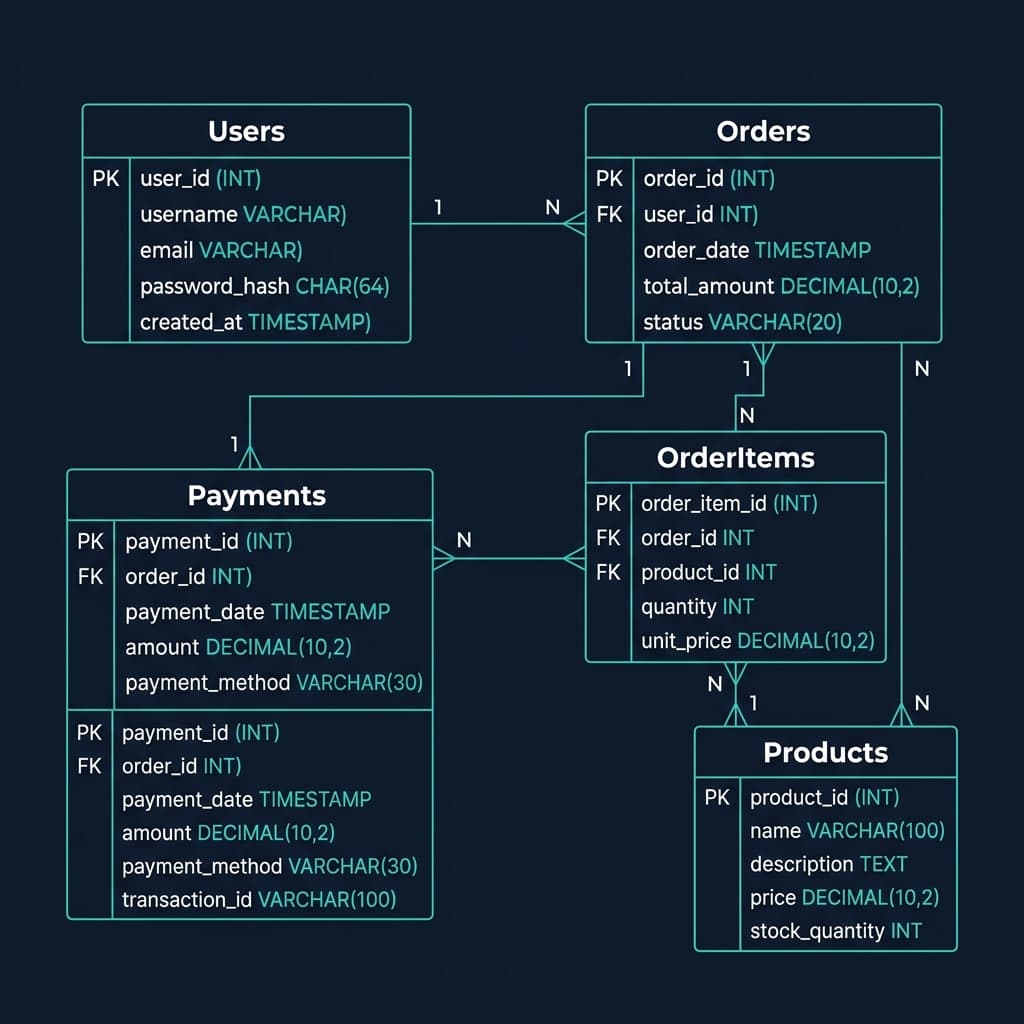
Database Design Standards diagram

Database Design Standards

  • Clear naming conventions and relational consistency
  • Practical normalization with denormalization only when justified
  • Indexing strategy for reporting and transactional flows
  • Soft delete, audit, and uniqueness rules where business-critical
  • Migration safety and transaction-aware change planning
  • Foreign key constraints enforced at schema level, not only application layer
Authentication and Authorization Approach diagram

Authentication and Authorization Approach

  • Role-based access control with explicit permissions
  • Protected administrative surfaces and least-privilege defaults
  • Session and auth flow design aligned with system risk
  • Security-sensitive actions treated as auditable operations
  • Multi-factor authentication readiness for sensitive admin panels
Testing Strategy diagram

Testing Strategy

  • Unit tests around domain logic and fragile utility boundaries
  • Integration tests for permissions, data flows, and business rules
  • End-to-end coverage for critical operational journeys
  • Security-sensitive flows treated as mandatory test candidates
  • Race conditions and edge cases reviewed before release
Logging and Monitoring diagram

Logging and Monitoring

  • Meaningful event logging around operationally important actions
  • Actionable monitoring signals for failures and degraded workflows
  • Error reporting that supports fast diagnosis and rollback decisions
Security Practices diagram

Security Practices

  • Input validation across boundaries
  • Rate limiting and abuse-awareness for exposed surfaces
  • Sensitive data handling and practical encryption strategy
  • Administrative actions designed with audit and recovery in mind
Scalability Planning diagram

Scalability Planning

  • Query review and indexing for growth paths
  • Service boundaries where complexity justifies them
  • Caching and background processing considerations
  • Frontend and asset efficiency to protect real-world performance
Documentation Standards diagram

Documentation Standards

  • Architecture notes for maintainers
  • Deployment and environment setup guidance
  • Admin guides for support and operations teams
  • Readable API and technical handover artifacts
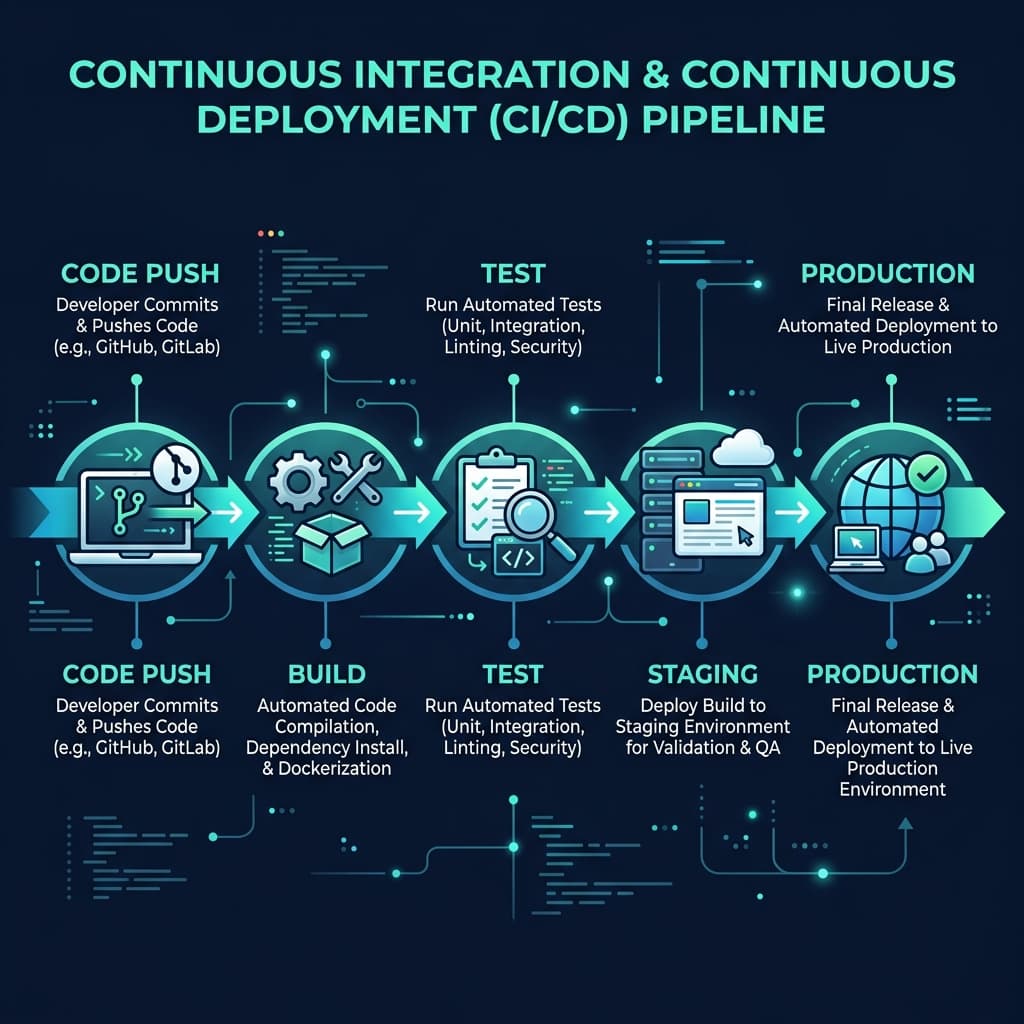
Deployment Standards diagram

Deployment Standards

  • Environment parity awareness
  • Config review before release
  • Rollback thinking for risky changes
  • Post-release validation on critical workflows
  • Blue-green or canary deployment strategies for zero-downtime releases
Backup and Recovery Thinking diagram

Backup and Recovery Thinking

  • Data recovery considered during design, not after failure
  • Operational actions evaluated for reversibility where possible
  • Critical data stores and admin actions treated with recovery discipline
Code Review & Quality Gates diagram

Code Review & Quality Gates

  • Every pull request reviewed for logic correctness, naming clarity, and edge cases
  • Automated linting and formatting enforced before merge (ESLint, Prettier, PHP CS Fixer)
  • No direct pushes to main branch — all changes flow through feature branches
  • Review checklists for security-sensitive changes (auth, payments, data mutations)
  • Commit messages follow conventional commit standards for changelog generation
Error Handling & Resilience diagram

Error Handling & Resilience

  • All external API calls wrapped in try-catch with meaningful fallback behavior
  • User-facing errors display actionable messages, not raw stack traces
  • Network timeout and retry strategies for mobile and unreliable connections
  • Circuit breaker patterns considered for third-party payment and SMS integrations
  • Graceful degradation — the app continues working even when non-critical services fail
Mobile Development Standards diagram

Mobile Development Standards

  • Offline-first architecture for markets with intermittent connectivity
  • Image compression and lazy loading to reduce data usage on mobile networks
  • Push notification strategy respecting user attention and battery life
  • Deep linking support for marketing campaigns and shared product URLs
  • Consistent gesture patterns and platform-specific UI conventions (Material Design, HIG)
Performance Optimization diagram

Performance Optimization

  • Lighthouse audits targeting 90+ scores for Performance, Accessibility, and SEO
  • Critical CSS inlined for sub-2-second First Contentful Paint
  • Database queries analyzed with EXPLAIN and optimized before deploying heavy features
  • Image assets served in WebP format with responsive srcset for multiple screen densities
  • Bundle analysis and tree-shaking to keep JavaScript payloads under 200KB gzipped
Accessibility & Internationalization diagram

Accessibility & Internationalization

  • Semantic HTML elements used for all interactive components (buttons, nav, forms)
  • ARIA labels and roles added to custom UI elements for screen reader compatibility
  • Color contrast ratios meeting WCAG 2.1 AA standards across all themes
  • Keyboard navigation fully functional for all interactive workflows
  • Right-to-left (RTL) text direction support considered for Swahili and Arabic interfaces